
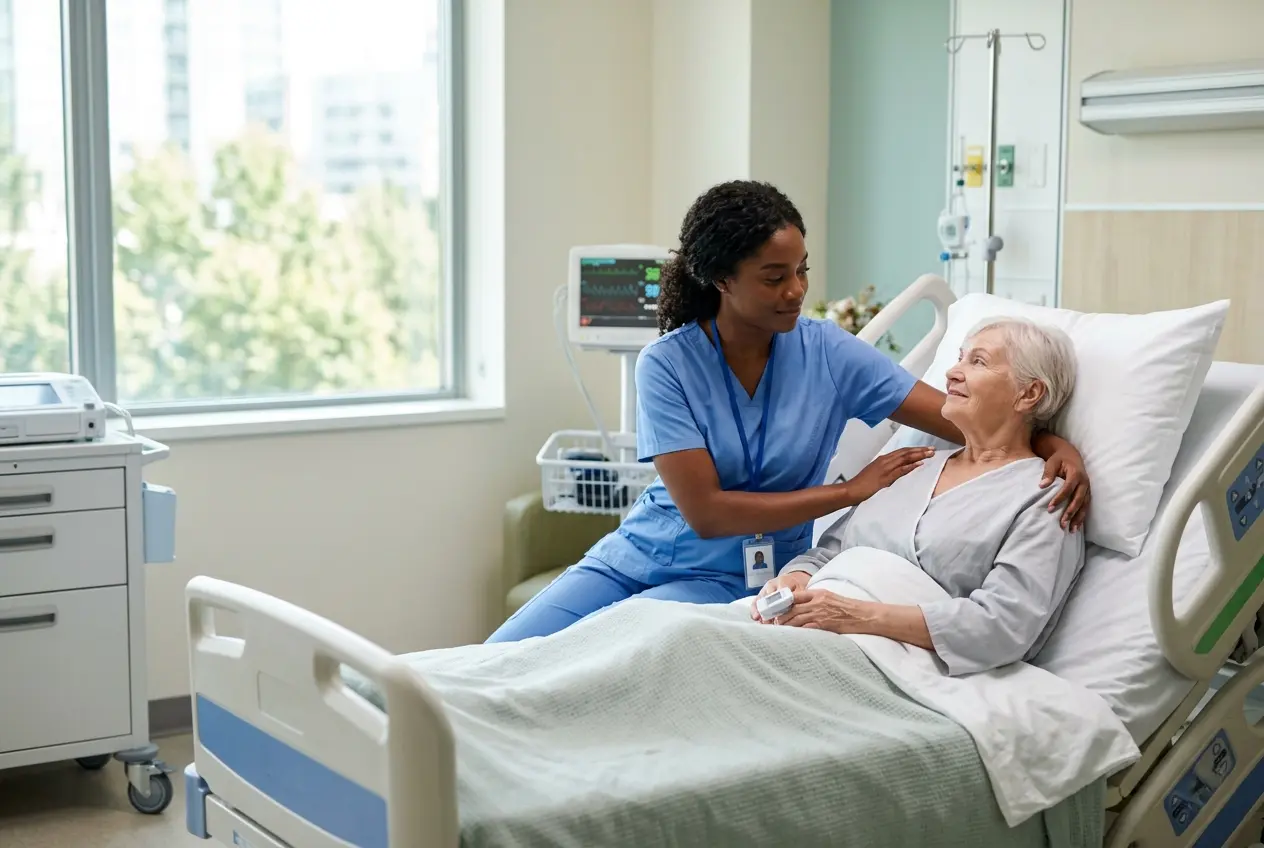
When we think of the healthcare system, our minds often jump immediately to surgeons performing complex operations, specialized doctors diagnosing rare illnesses, or registered nurses managing critical care wards. However, the true backbone of daily patient care the professionals who spend the most hands-on time with those in need are often the unsung heroes of the medical field. A Nursing Assistant is absolutely fundamental to the smooth operation of hospitals, clinics, and long-term care facilities worldwide.
In this comprehensive guide, we will explore the multifaceted, highly demanding, and deeply rewarding role of a Nursing Assistant. We will delve into their daily responsibilities, the skills required to excel in this career, the environments in which they work, and why the modern healthcare system simply could not function without them.
What is a Nursing Assistant?
A Nursing Assistant—often referred to as a Certified Nursing Assistant (CNA), a nursing aide, or a patient care assistant depending on the region and specific certification is a frontline healthcare professional who provides direct, essential care to patients. They work under the direct supervision of Registered Nurses (RNs) and Licensed Practical Nurses (LPNs) to ensure that patients’ fundamental, day-to-day needs are met safely and efficiently.
While doctors and nurses handle medical diagnoses, complex treatments, and medication administration, the Nursing Assistant is heavily focused on the holistic well-being and immediate comfort of the patient. They are the eyes and ears of the clinical team, observing changes in a patient’s physical or mental state long before those changes might appear on a medical chart.
Core Responsibilities: A Day in the Life
The daily tasks of a Nursing Assistant are incredibly diverse. Because they are the primary point of contact for patients, their duties blend clinical observation with deeply personal, compassionate care. Here are some of the core responsibilities that define their essential role:
1. Assisting with Activities of Daily Living (ADLs)
Illness, injury, surgery, or the natural aging process can strip individuals of their ability to perform basic tasks. A Nursing Assistant helps patients with these Activities of Daily Living, which include:
- Bathing and Grooming: Ensuring patients remain clean, comfortable, and dignified. This involves bed baths, assisting patients in the shower, oral care, and hair care.
- Dressing: Helping patients put on clean clothes or hospital gowns, being mindful of medical equipment like IV lines or casts.
- Feeding: Assisting patients who cannot feed themselves due to cognitive or physical impairments, while monitoring their food and fluid intake.
- Mobility and Transferring: Helping patients get out of bed, move into wheelchairs, or take short walks to prevent bedsores and promote circulation.
2. Monitoring Vital Signs and Health Status
While they may not prescribe medication, a Nursing Assistant plays a highly clinical role in patient observation. They are typically responsible for routinely measuring and recording vital signs, including:
- Blood pressure
- Heart rate (pulse)
- Respiratory rate
- Temperature
- Oxygen saturation levels
Because they spend so much time with the patient, they are usually the first to notice if a patient’s breathing becomes labored, if they spike a fever, or if they appear suddenly confused or lethargic. Promptly reporting these seemingly minor changes to the nursing staff can literally save a life.
3. Maintaining a Safe and Clean Environment
Infection control is a massive priority in healthcare. Nursing Assistants are responsible for changing bed linens, sanitizing frequently touched surfaces around the patient’s bed, securely disposing of medical waste, and ensuring that the patient’s immediate environment is free of tripping hazards.
4. Emotional Support and Companionship
Perhaps the most understated yet vital aspect of a Nursing Assistant’s job is the emotional support they provide. Hospitals and nursing homes can be incredibly lonely, frightening places. A compassionate Nursing Assistant holds the hand of an anxious patient, listens to the stories of an elderly resident suffering from dementia, and provides a reassuring presence when family members cannot be there.
The Crucial Link Between Patients and the Healthcare Team
Modern healthcare relies on an interdisciplinary approach. Doctors, specialists, physical therapists, nurses, and dietitians all collaborate to heal a patient. Within this dynamic, the Nursing Assistant serves as the essential communicative bridge.
Because doctors and RNs are often managing multiple complex cases, they rely heavily on the immediate feedback provided by the nursing aides. If a patient is silently suffering from pain, experiencing adverse side effects to a new medication, or refusing to eat, the Nursing Assistant is the one who documents this and escalates it to the charge nurse.
In many long-term and home-care settings, these professionals, much like a personal support worker, play a pivotal role in creating a familiar, trusting environment for clients. They build lasting relationships that foster a sense of security and continuity of care, which has been scientifically proven to improve long-term health outcomes in chronic care patients.
Where Do Nursing Assistants Work?
The demand for hands-on patient care means that a Nursing Assistant can find employment in a wide variety of healthcare settings, each offering a unique pace and demographic of patients:
- Hospitals (Acute Care): In a hospital setting, the turnover rate of patients is high. A Nursing Assistant here must be fast on their feet, adaptable, and ready to respond to emergencies. They might assist in emergency rooms, surgical recovery wards, or intensive care units.
- Nursing Homes and Long-Term Care Facilities: Here, the focus shifts from acute recovery to chronic care and quality of life. Nursing Assistants in these environments build deep, long-lasting bonds with residents, often becoming like second families to the elderly or permanently disabled.
- Home Health Care: Many patients prefer to age or recover in the comfort of their own homes. Nursing Assistants travel to private residences to provide one-on-one care, offering a highly personalized healthcare experience.
- Rehabilitation Centers: Working alongside physical and occupational therapists, they help patients recover mobility and strength after strokes, accidents, or major surgeries.
Essential Skills and Qualities for Success
Not everyone is cut out for this line of work. It is a physically, mentally, and emotionally demanding career. To be a successful Nursing Assistant, an individual must possess a specific blend of hard skills and soft qualities:
Empathy and Compassion
You are dealing with people on what might be the worst days of their lives. Patience, deep empathy, and a non-judgmental attitude are non-negotiable. A great Nursing Assistant preserves the dignity of their patients, even during the most intimate or uncomfortable care tasks.
Physical Stamina and Strength
This is not a desk job. Nursing Assistants are on their feet for 8 to 12-hour shifts. They must safely lift, turn, and support the body weight of adult patients. Proper body mechanics and physical endurance are critical to avoid personal injury and ensure patient safety.
Exceptional Communication Skills
They must communicate clearly and effectively with patients (who may have hearing loss, cognitive decline, or language barriers), with concerned family members, and with medical staff. Precision in charting and reporting is a mandatory clinical skill.
Attention to Detail
A slight change in skin tone, a missed meal, a wince of pain during a bed transfer these tiny details can indicate major medical issues like deep vein thrombosis, malnutrition, or bedsores. A meticulous nature is a lifesaver in this profession.
The Future of the Nursing Assistant Profession
As the global population ages particularly the massive “Baby Boomer” generation the demand for healthcare services is skyrocketing. Consequently, the job outlook for a Nursing Assistant is incredibly strong. Healthcare systems are expanding their facilities and services to accommodate the elderly, meaning job security in this sector is virtually guaranteed for the foreseeable future.
Furthermore, working as a Nursing Assistant is widely considered one of the best stepping stones into advanced medical careers. Many aspiring Registered Nurses, Nurse Practitioners, and even Medical Doctors begin their careers as nursing aides to gain invaluable, ground-level clinical experience and perfect their bedside manner.
Conclusion
The title of “assistant” hardly does justice to the monumental impact these individuals have on the healthcare ecosystem. A Nursing Assistant is the heartbeat of patient care. They provide the physical labor, the meticulous observation, and the profound emotional warmth that technology and modern medicine simply cannot replicate.
Whether they are helping a stroke victim take their first steps in a rehabilitation clinic, holding the hand of a frightened patient in a busy hospital, or assisting an elderly resident with their morning routine, their contribution is immeasurable. Recognizing, valuing, and supporting the essential role of the Nursing Assistant is crucial for the continued success and humanity of modern healthcare.