
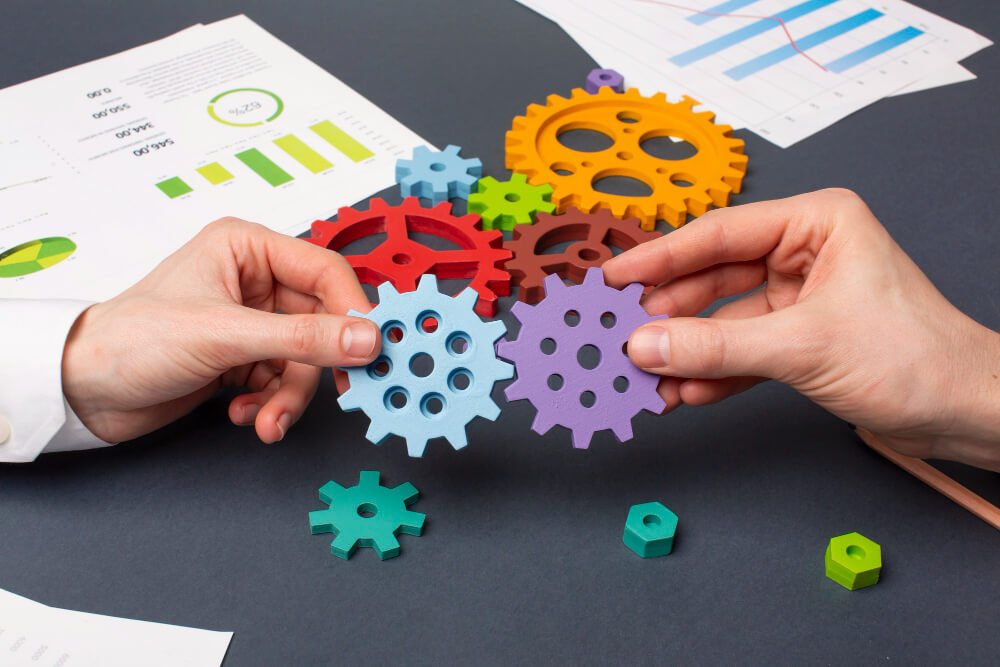
In an era defined by rapid technological advancements, shifting market demands, and unpredictable global economies, the only constant in business is change. Whether an organization is adopting new software, restructuring its departments, or pivoting its entire business model, the ability to transition smoothly is critical to survival. However, change is rarely easy, and it is almost never automatic. This is where the concept of change management comes into play.
If you have ever found yourself asking, “What is change management, and why does my organization need it?” you are not alone. As businesses strive to stay competitive, understanding how to guide people, processes, and technology through transitions has become a foundational pillar of corporate success.
In this comprehensive guide, we will explore the definition of change management, why it is vital for modern businesses, the most effective models used by industry leaders, and how you can implement a winning change strategy in your own organization.
Understanding the Core Definition: What is Change Management?
At its most fundamental level, change management is a systematic approach to dealing with the transition or transformation of an organization’s goals, processes, or technologies. The primary purpose of change management is to implement strategies for effecting change, controlling change, and helping people adapt to change.
While project management focuses on the technical side of moving from point A to point B (ensuring tasks are completed on time and within budget), change management focuses almost exclusively on the people side of the transition. It acknowledges a simple truth: an organization cannot transform unless its employees transform with it.
When a company introduces a new workflow, software system, or organizational hierarchy, it asks its employees to change how they do their jobs. Change management provides the framework to support employees through this process, minimizing resistance and maximizing engagement so that the intended outcomes of the initiative are achieved without alienating the workforce.
Why is Change Management Important?
It is estimated that nearly 70% of large-scale organizational change initiatives fail to meet their objectives. Why? Because corporate leaders often underestimate the human element. They mistakenly assume that if a new system is logical and efficient, employees will automatically embrace it. In reality, human beings are creatures of habit, and change inherently brings uncertainty, fear, and resistance.
Here is why having a robust change management strategy is non-negotiable:
1. Minimizes Employee Resistance and Disruption
Resistance to change is a natural human reaction. A well-executed change management plan anticipates this resistance and proactively addresses employee concerns through transparent communication, training, and support. By keeping disruptions to a minimum, businesses can maintain productivity even during periods of heavy transition.
2. Increases the Probability of Project Success
Projects with excellent change management are six times more likely to meet or exceed their objectives compared to those with poor change management. When you focus on preparing your workforce, you ensure that the solutions you implement are actually adopted and utilized.
3. Protects the Return on Investment (ROI)
If you spend millions of dollars on a new enterprise resource planning (ERP) system but your employees refuse to use it properly, your ROI plummets. Change management ensures that the adoption rate is high, protecting the financial investments your company makes in its future.
4. Builds Organizational Agility
Organizations that prioritize change management develop a culture of adaptability. Leaders and employees become better equipped to handle future transitions. If you want to dive deeper into the leadership skills required for guiding teams through transitions, learning about managing change in today’s business environment is highly recommended for modern professionals.
The Three Main Types of Organizational Change
To effectively manage change, you must first understand the type of change you are dealing with. Change management strategies should be tailored to the specific category of transformation:
- Developmental Change: This represents an improvement to an existing process, skill, or method. It is the least disruptive form of change. Examples include upgrading an existing software platform or refining a customer service script.
- Transitional Change: This involves replacing what already exists with something entirely new. A company might dismantle old processes to implement a completely new organizational structure. Transitional change requires careful planning and a distinct shift in employee behavior.
- Transformational Change: This is the most complex type of change. It involves a radical shift in the company’s culture, core values, or business model. Often driven by external market forces, transformational change requires deep, systemic management and a high level of executive leadership.
The Change Management Process: 5 Essential Steps
While different organizations may adapt their methodologies, a successful change management process generally follows five critical steps:
Step 1: Prepare the Organization for Change
Before any changes can be made, the organization must recognize the need for change. This involves building a compelling business case and fostering a cultural environment that is receptive to transitioning. Leaders must communicate the “why” behind the change, highlighting the challenges of the current state and the benefits of the future state.
Step 2: Craft a Vision and Plan
Once the organization is prepared, the next step is to develop a comprehensive plan. This plan should outline the strategic vision, the specific changes to be implemented, the timeline, key performance indicators (KPIs), and the resources required. A strong change management plan also identifies potential roadblocks and outlines strategies for mitigating them.
Step 3: Implement the Changes
This is the execution phase. Communication is paramount during implementation. Employees must be kept in the loop regarding what is happening, when it is happening, and how it will affect their daily routines. Training programs must be rolled out to ensure that staff have the necessary skills to operate in the new environment.
Step 4: Embed Changes Within Company Culture and Practices
Change is not considered successful until it becomes the “new normal.” If employees revert to their old ways of doing things, the change initiative has failed. To embed the change, organizations must adjust their reward systems, update their standard operating procedures, and continuously reinforce the new behaviors through leadership modeling.
Step 5: Review Progress and Analyze Results
The final step is to measure the success of the change initiative against the KPIs established in Step 2. Leaders should conduct post-implementation reviews to gather feedback from employees, assess what went well, and identify areas for improvement. This data is invaluable for refining future change management strategies.
Popular Change Management Models
Over the years, several frameworks have been developed to help organizations structure their change management efforts. Leveraging an established model can provide clarity and direction. Here are three of the most widely used models globally:
1. Kotter’s 8-Step Change Model
Developed by Harvard Business School professor John Kotter, this model focuses heavily on the people involved in the change process. It emphasizes creating a sense of urgency, building a guiding coalition, forming a strategic vision, enlisting a volunteer army, enabling action by removing barriers, generating short-term wins, sustaining acceleration, and instituting the change.
2. Lewin’s Change Management Model
Kurt Lewin, a physicist and social scientist, created a simple but profound framework in the 1940s known as the Unfreeze-Change-Refreeze model.
- Unfreeze: Preparing the organization to accept that change is necessary, which involves breaking down the existing status quo.
- Change (or Transition): The phase where people begin to resolve their uncertainty and look for new ways to do things.
- Refreeze: When the changes are taking shape and people have embraced the new ways of working, the organization “refreezes” to institutionalize the new processes.
3. The Prosci ADKAR Model
The ADKAR model is a goal-oriented change management framework that guides individual and organizational change. The acronym stands for:
- Awareness of the need for change.
- Desire to support and participate in the change.
- Knowledge of how to change.
- Ability to implement required skills and behaviors.
- Reinforcement to sustain the change.
Overcoming Common Challenges in Change Management
Even with the best models and plans in place, change management comes with significant hurdles. Navigating these challenges effectively is what separates successful companies from those that stagnate.
- Lack of Executive Sponsorship: For change to be taken seriously, it must be championed from the top down. If executives do not actively model the desired behaviors, employees will not buy into the process.
- Change Fatigue: In today’s fast-paced corporate world, employees are often subjected to one change initiative after another. This can lead to exhaustion and apathy. To combat change fatigue, prioritize changes, stagger rollouts, and celebrate small victories.
- Communication Breakdown: Vague, infrequent, or one-way communication breeds anxiety and rumors. Establishing a two-way communication channel where employees can ask questions and voice concerns is critical for fostering trust.
Conclusion
So, what is change management? It is the bridge between a great idea and a successful implementation. It is the empathy required to understand how transitions affect human beings, combined with the strategic rigor to guide those individuals toward a new, improved reality.
Ignoring the human element of organizational transformation is a recipe for wasted resources and frustrated employees. By implementing a thoughtful, structured change management strategy, businesses can not only survive periods of disruption but actively thrive in them. Whether you are leading a small team or an entire enterprise, mastering the art of change is the key to unlocking long-term growth and sustainable success